RSL183006-A Cylindrical Roller Bearing
Selection Guide
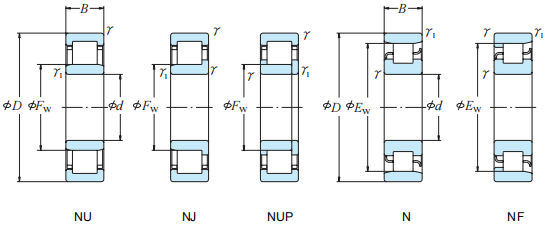
RSL full-complement cylindrical roller bearings achieve the maximum radial load capacity available in a given section by filling the annulus with rollers and omitting the cage, suiting low-speed heavy-load duty where speed is not the limiting factor and capacity is the primary concern. Verify that the actual operating speed is below the permissible value for that size (a full complement design has clearly lower speed capability than a caged type), that lubrication is generous, and how axial location is handled (most full complement types need separate thrust or locating elements). If your speed is relatively high we recommend a caged cylindrical roller bearing to avoid sliding wear between rollers.
Frequently Asked Questions / FAQ
Is RAYSDE RSL183006-A available, and what is the MOQ?
RSL183006-A is supplied by RAYSDE through ISO 9001:2015 certified partner factories, with both stock and build-to-order options. Standard-part MOQ is tiered by bore: ≤50mm:500 pcs / 51–100mm:100 pcs / 101–300mm:20 pcs / >300mm:4 pcs; non-standard items are quoted per drawing. Send an inquiry for formal pricing and lead time.
What are the technical specifications of RAYSDE RSL183006-A?
Key parameters of the RSL183006-A Cylindrical Roller Bearing: bore d=30mm, outer D=49.6mm, width B=Nonemm. For the full dimension table, load and speed data, and CAD drawings, please contact RAYSDE.
Which industries and equipment use the RSL183006-A Cylindrical Roller Bearing?
The RSL series is a full-complement cylindrical roller bearing, used for heavy-duty support in gearboxes and reducers, travel and slew reducers in construction machinery, metallurgical and mining equipment, hoist drum supports, and low-speed heavy-load positions where maximum radial capacity is the priority.
What are the advantages of RAYSDE RSL183006-A versus imported brands?
As a supplier partnered with ISO 9001:2015 certified factories, RAYSDE offers RSL183006-A at competitive ex-works pricing with shorter lead times than comparable imported brands, plus non-standard customization and OEM support. Partner factories certified to ISO 9001:2015, with 3.1 material certificates available.
Can you provide engineering drawings and material certificates for RSL183006-A?
Yes—CAD/DXF/PDF high-precision drawings and 3.1 material certificates (GCr15 bearing steel) for RSL183006-A are available on request from RAYSDE.
RSL183006-A How do I choose between a full-complement and a caged cylindrical roller bearing?
Decide from the combination of speed and load. For low-speed heavy-load duty such as gearbox support rolls, drums and travel reducers, choose full complement for maximum radial capacity. Where speed is higher, or the load includes shock and needs better roller guidance, choose a caged type: the cage separates the rollers, friction and heat generation are lower, and limiting speed is much higher. As a rule of thumb, prefer a caged design when the dn value is high or when there are frequent starts and stops or reversing loads. Give us speed, radial load and duty cycle and we will give a clear recommendation.
RSL183006-A What should I watch for when mounting a full-complement cylindrical roller bearing?
In a full complement design the rollers are not retained by a cage and can fall out, so the bearing must be handled and fitted as a complete unit, kept level, and never dismantled into separate rings. Never strike the roller end faces — press on the ring using a suitable sleeve. Because adjacent rollers slide against each other, lubrication must be generous and clean: before first running, fill with the specified grease or confirm the oil path is clear to avoid early wear from dry friction.